


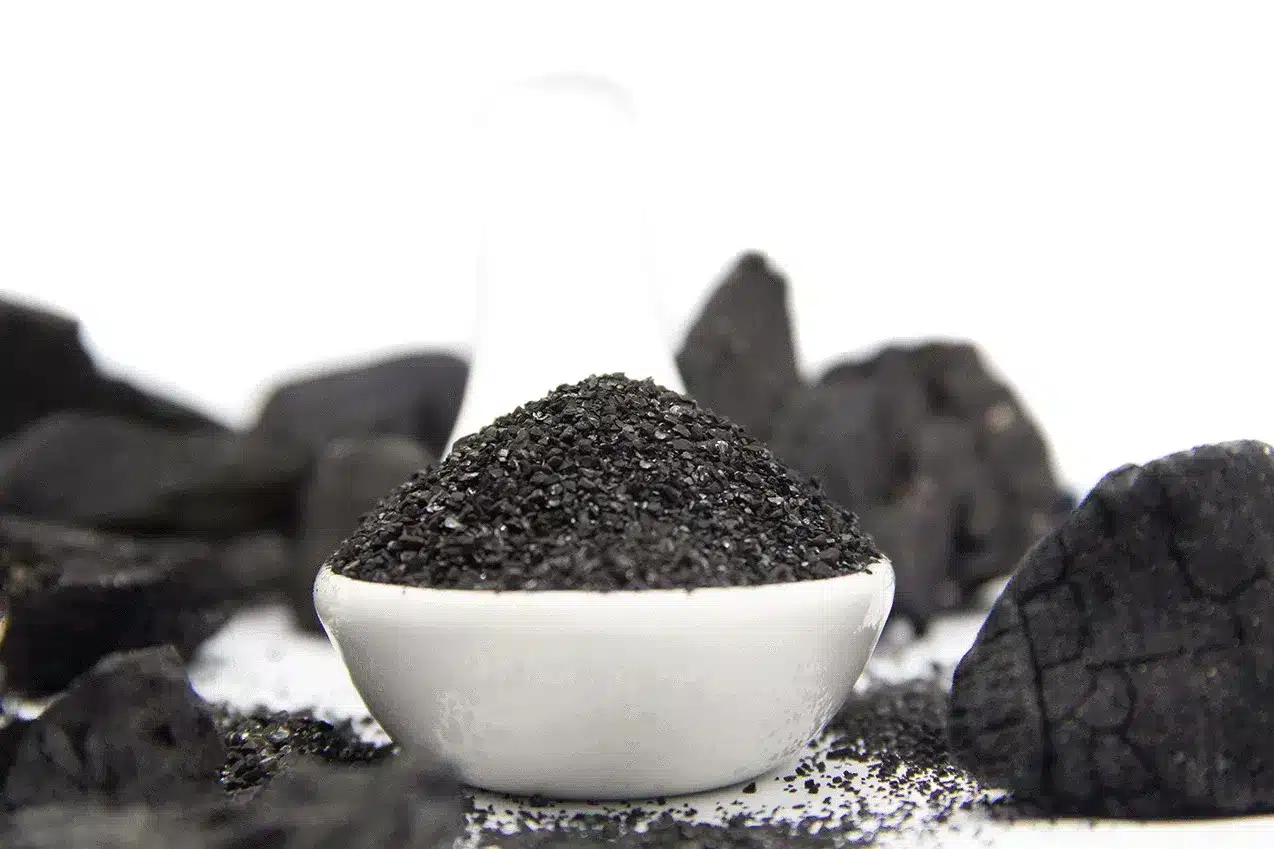
In industrial and commercial water treatment processes, simply physically filtering out coarse sediments from the water is not sufficient. Organic substances, color pigments, and especially free chlorine—which are present in dissolved form in water and impart unpleasant taste and odor—can only be removed from water through a molecular-level approach. In this context, activated carbon is the industry’s most reliable adsorption medium, thanks to its extraordinary surface area and microscopic pore structure.
Activated carbon attracts and traps contaminants in the water into its pores, much like a magnet, without undergoing a chemical reaction. It is an indispensable component of water filtration systems for protecting advanced treatment systems, improving the quality of treated water, and ensuring wastewater meets regulatory standards.
Types of Activated Carbon by Form
Depending on the dynamics of the process, the type of fluid, and the pressure requirements, activated carbons are primarily produced and used in three different forms:
Granular Activated Carbon (GAC)
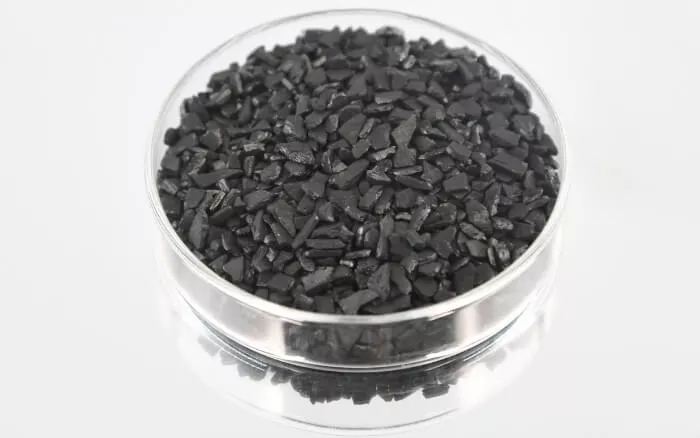
It is the most commonly used form in water treatment systems (particularly inside filter tanks). It consists of irregularly shaped particles the size of sand. It allows water to be filtered at high flow rates without causing pressure loss. Granular activated carbon is typically used as a standard solution for pre-membrane chlorine and odor removal, particularly to protect reverse osmosis membranes from chlorine.
Powdered Activated Carbon (PAC)
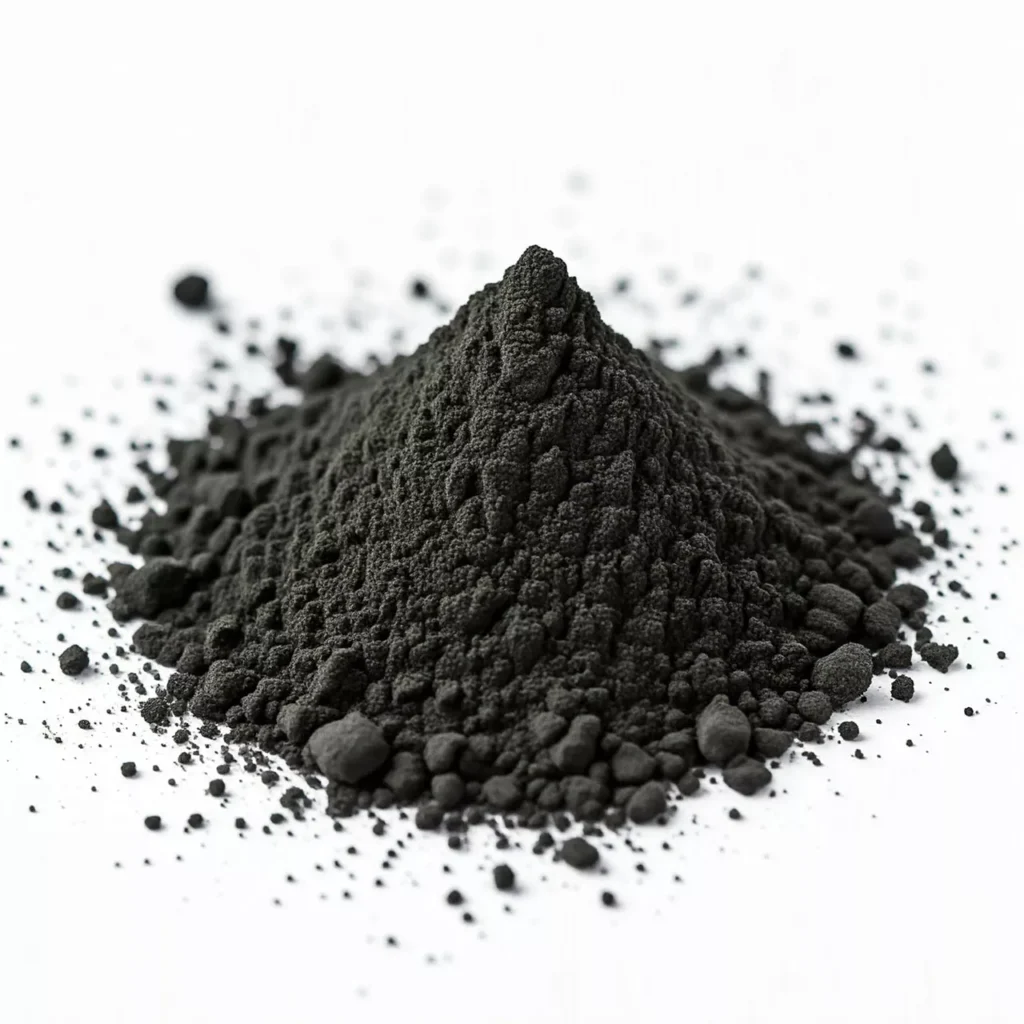
It has a very finely ground (powder-like) texture. Because the pores are directly open to the outside, the reaction rate is much higher than that of granular forms. Instead of forming a continuous filter bed, it is typically used in wastewater treatment plants or chemical processes by dosing (mixing) it into water at specific ratios. Powdered activated carbon is separated from the water via sedimentation or filtration after the process is complete.
Cylindrical (Pellet / Extruded) Activated Carbon
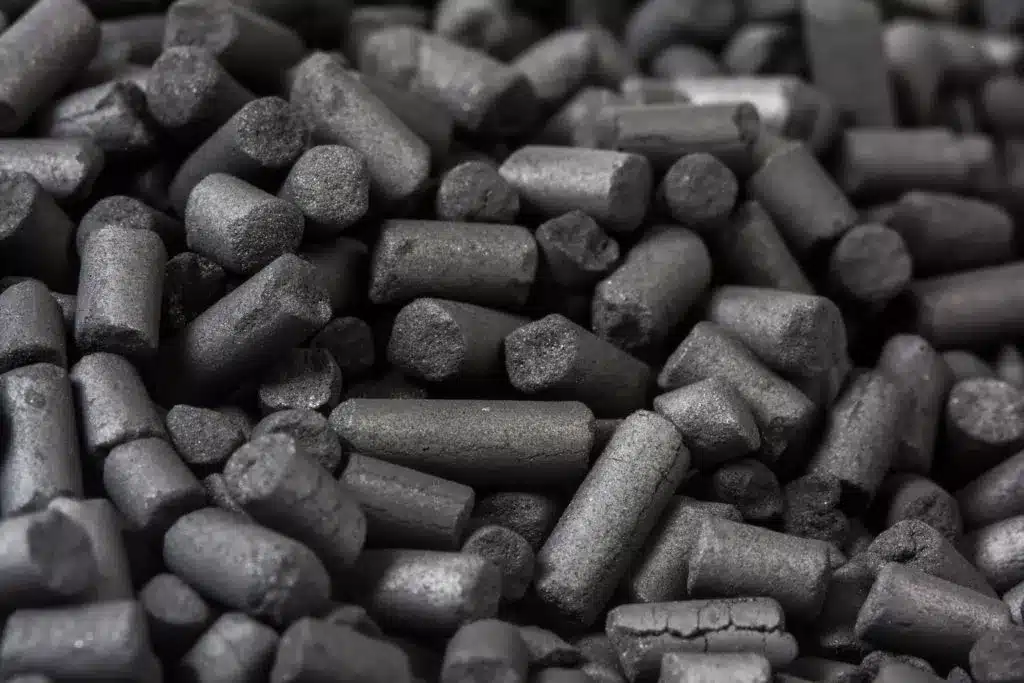
It is produced by compressing carbon powder with special binders into a cylindrical (rod) shape. It is structurally much harder and has a low dust emission rate. While it is also used in water treatment, the use of cylindrical activated carbon is particularly prominent in gas treatment, ventilation systems, and industrial odor control stacks due to the air pockets created by its structural form.
Benefits of Using Water Treatment Systems
Using the right carbon media in your facility provides the following operational benefits:
- Membrane Protection: By removing 99% of free chlorine—which can damage reverse osmosis membranes—it safeguards your expensive systems.
- Quality Optimization: It effectively adsorbs dissolved organic compounds (DOC/BOD) that cause unpleasant taste, odor, and color in water.
- Wide Range of Applications: It enhances product flavor in drinking water bottling plants and serves as a final polishing filter in wastewater treatment plants.
Over 30 Years of Experience and Our Professional Team
The raw material of activated carbon (whether coal, coconut shell, or wood-based) and its iodine number (a value indicating its porosity) should be selected based on the type of contamination in your water. An improperly selected media will fail to retain chlorine or organic substances, thereby damaging your process. With over 30 years of field experience in the water treatment industry, we conduct a detailed analysis of your facility and determine the most suitable type of carbon for your project.
The design of filter tanks to match flow rates, the precise calculation of the water’s residence time (contact time) in the carbon bed, and tank filling operations are safely carried out by our professional team. Through our supply of the highest-quality media and the installation of automated backwashing systems, we ensure your process operates continuously and in compliance with standards.
To determine the most suitable form of activated carbon for your water’s characteristics and to receive expert engineering support, please contact our team immediately.