

Today, water is not only an environmental asset but also one of the most critical and costly inputs in industrial production. Global water scarcity and rising costs of municipal water are driving businesses to seek more sustainable solutions. This is precisely where Wastewater Recovery Systems come into play as the lifeblood of modern industry.
Based on the principle that used water is not “waste” but a “new resource,” these systems enable you to reduce your business’s water footprint while significantly lowering your operational costs.
What Are Wastewater Recycling Systems?
In simple terms, wastewater recovery systems involve treating wastewater generated from industrial or domestic sources using advanced treatment technologies to make it reusable. This process does not merely bring the water to a level where it can be safely discharged into the environment; it upgrades the water to a quality suitable for reuse in industrial processes, cooling towers, landscape irrigation, or vehicle washing.
When a significant portion of the water used in industrial facilities is reclaimed using the right technology, water savings of between 40% and 90% can be achieved for the facility.
How Does the Wastewater Recycling Process Work?
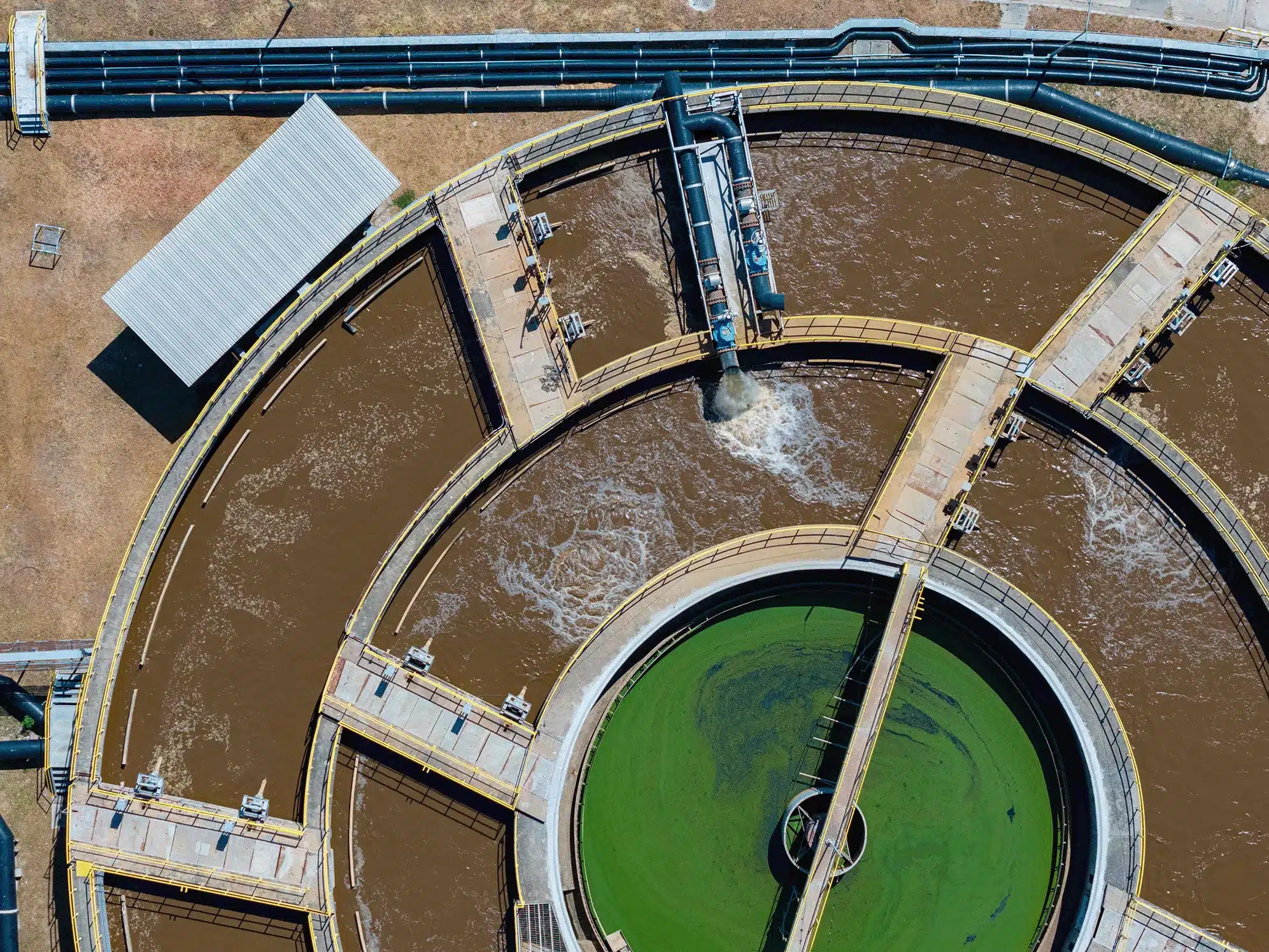
Just as with well water treatment systems, there is no “one-size-fits-all” solution for wastewater recovery. A customized treatment process is applied based on the characteristics of the wastewater (textile dyeing water, food washing water, graywater, etc.). Generally, the process involves the following steps:
1. Pretreatment and Physical Separation
This is the first stage in which coarse particles, oil, and grease are removed from the water. Screens and settling tanks are used in this stage.
2. Biological Treatment (MBR Systems)
This is the stage where bacteria are used to remove organic contaminants. Membrane Bioreactor (MBR) technology, in particular, takes up significantly less space than conventional systems and produces effluent of much higher quality. MBR is at the heart of wastewater recovery.
3. Advanced Filtration and Disinfection
To enable the water to be reused in the process, it must be purified of micropollutants.
- Ultrafiltration (UF): Removes 99% of bacteria and viruses.
- Reverse Osmosis: If the water has high conductivity and high-purity water is required, dissolved salts are removed using membrane technology.
- UV Disinfection: Ensures that the water is sterilized in the final stage.
Which Industries Is It Suitable For?
Our industrial wastewater treatment solutions can be implemented in virtually any sector with high water consumption:
- Textile Factories: Treating dyehouse wastewater for reuse in washing baths.
- Food and Beverage Industry: Recovery of washwater.
- Tourism and Hotels: Use of shower and sink water (graywater) in reservoirs or for landscape irrigation.
- Automotive and Metal Plating: Recovery of rinse water.
Plan for the Future with the Right Technology
In an age where every drop of water is precious, using water just once and discarding it is no longer a sustainable business model. Our engineering team takes samples of your wastewater, conducts a comprehensive analysis, and designs a high-efficiency wastewater recovery system tailored to your business’s specific needs.
We provide end-to-end services, from system installation to periodic maintenance. To permanently reduce your business’s water costs and take advantage of our free consultation service, please contact our experts.