


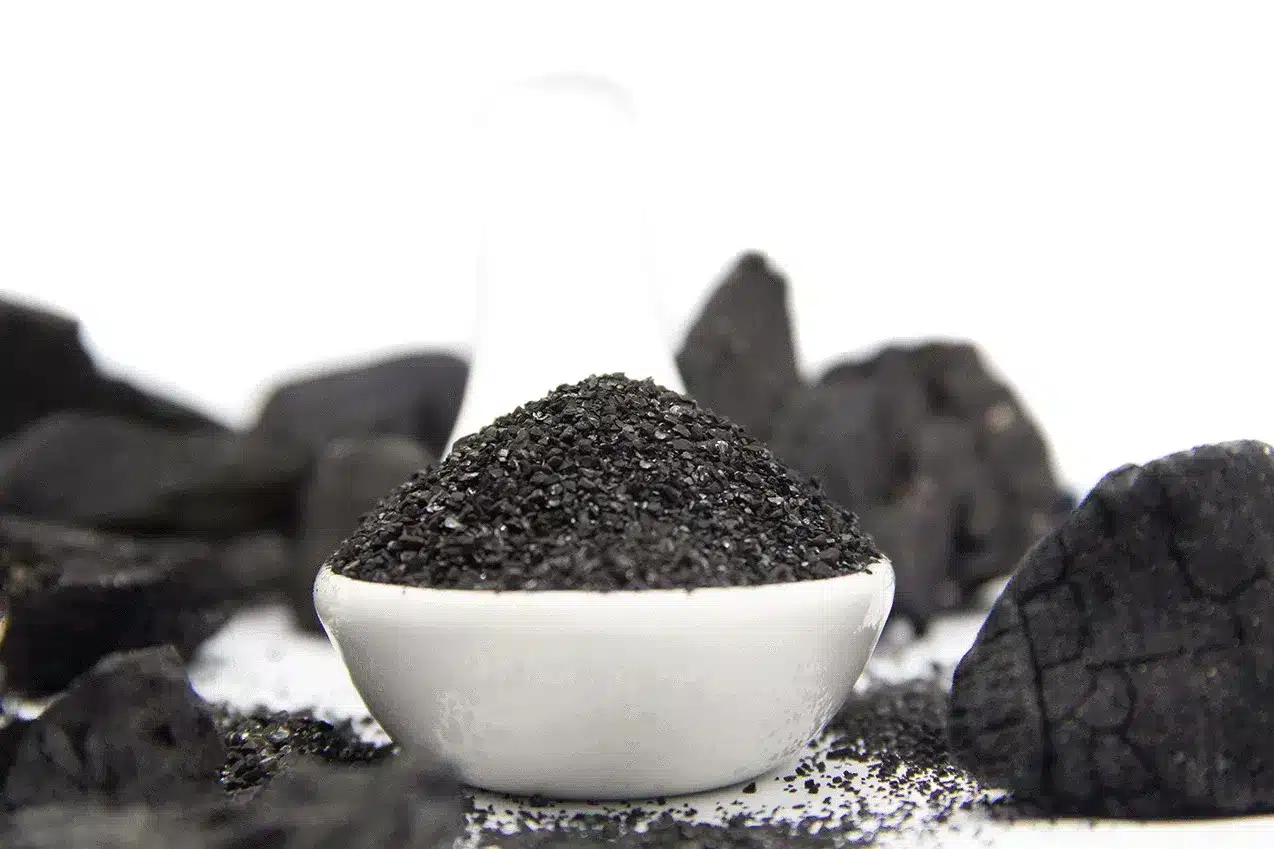
Water is the lifeblood of industrial processes; however, chlorine, organic compounds, and taste and odor impurities in water directly affect production quality. Activated carbon systems are the most effective filtration technology, physically trapping unwanted chemicals in your water and purifying it at the molecular level.
What is an Activated Carbon Filter and How Does It Work?
Activated carbon is a porous material with an incredibly large surface area. Just 1 gram of activated carbon has a surface area equivalent to approximately three football fields. Activated carbon systems work on the principle of “adsorption.”
During this process, water passes through the carbon bed inside the tank;
- Chlorine Removal: Chlorine present in tap water for disinfection purposes but harmful to plumbing is broken down.
- Organic Matter Retention: Organic compounds that give water a bad smell and color are trapped in the pores.
- Taste Adjustment: The drinking quality and chemical purity of the water are maximized.
Why Should You Use Industrial Activated Carbon Systems?
While a standard sediment filter only traps suspended solids, activated carbon systems clean what you can’t see. The advantages offered by activated carbon:
- Membrane and Resin Protection: Reverse osmosis membranes and softening resins are extremely sensitive to chlorine. Activated carbon acts as a shield, preventing chlorine from breaking down this expensive equipment.
- Consistent Product Quality: In the food and beverage industry, even the slightest change in the taste of water can spoil the aroma of the final product. These systems provide you with consistent water quality.
- Chemical Waste Reduction: Provides treatment through a completely physical process without adding extra chemicals to the water.
What to Consider When Choosing Activated Carbon?
Every water source has a different story, so a “one-size-fits-all” activated carbon solution is not sufficient for every facility. Choosing the wrong filter can result in your water not being fully purified and the system clogging prematurely. When making a selection, we consider the following critical points:
- Water Contact Time with Carbon: If water passes through the carbon tank too quickly, contaminants will not have enough time to adhere to the carbon pores. Our engineers calculate the amount of water (flow rate) your plant requires and determine the ideal tank size to ensure the water spends sufficient time in contact with the carbon.
- Raw Material Source: Coconut shell-based carbons are generally preferred for sensitive drinking water and food lines, while coal-based carbons are more resistant in heavy industry and wastewater recovery.
Meet Us for Professional Solutions
Bad odors, yellowish color, or high chlorine levels should not be an obstacle to your production. Activated carbon systems are the most reliable investment to guarantee the water quality of your business. Let our engineering team determine the most efficient system for you based on your water analysis results.