


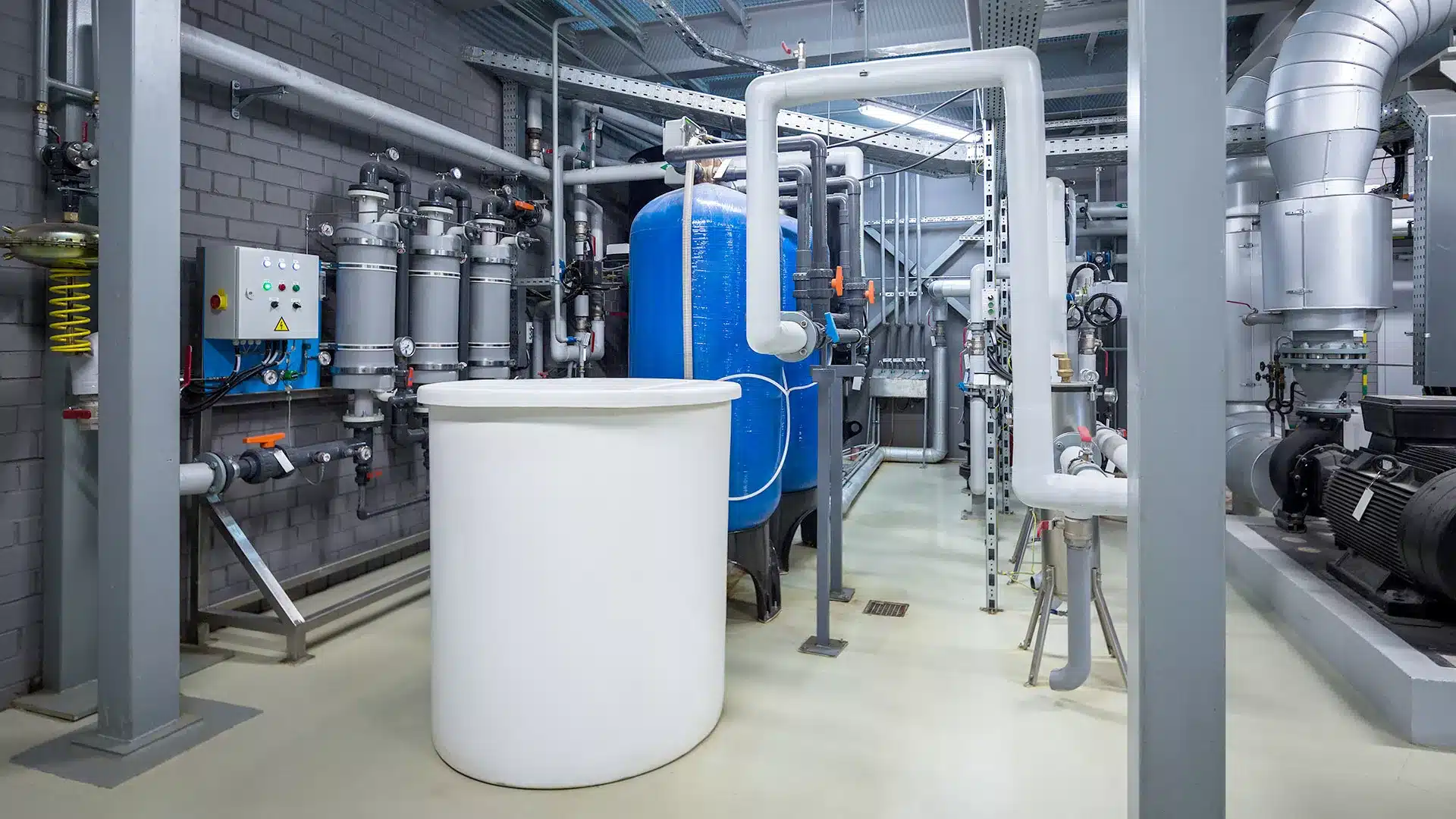
Well water is a vital water source for both industrial facilities and individual use. However, groundwater may contain sediment, heavy metals, high hardness, or bacterial contamination depending on soil composition and environmental factors. Well water treatment systems are engineering marvels that analyze the raw water source and bring it up to standards suitable for its intended use (drinking, domestic, or process water).
Why Should You Use a Well Water Filtration System?
The direct use of well water can cause irreversible damage to your plumbing systems and your health. In industrial settings, in particular, untreated well water leads to scaling in cooling towers, corrosion in boilers, and a decline in product quality on the production line.
The main advantages of using well water treatment systems are as follows:
- Equipment Protection: Removing limescale and scale extends the lifespan of machinery and plumbing systems.
- Water Quality: Turbidity, color, and odor issues are completely eliminated.
- Cost Savings: Compared to the cost of municipal water, treating water from your own well is much more economical in the long run.
- Health and Hygiene: Harmful bacteria and heavy metals are removed from the water.
How Does the Well Water Treatment Process Work?
A successful water treatment project begins with proper analysis and the selection of the right equipment. Our process consists of three key stages:
Well Water Analysis and Design
The chemical composition of well water (pH, conductivity, hardness, iron and manganese levels, etc.) varies from well to well. For this reason, rather than using off-the-shelf systems, we develop a customized treatment plan based on the results of your well water analysis. Depending on the level of contamination in your water, we recommend either Industrial Water Treatment Systems or residential-scale solutions.
Physical and Chemical Filtration
This is the stage in which particles and chemicals are removed from the water.
- Mechanical Filtration: Cartridge filters or multimedia sand filters are used to remove coarse sediment and sand.
- Water Softening: Limescale removal is achieved by using ion-exchange resins for water with high hardness.
- Activated Carbon: Removes chlorine, organic substances, odors, and color from water.

Disinfection and Advanced Treatment
The filtered water must be made microbiologically safe. Ultraviolet (UV) systems or chlorine dosing units are used to remove bacteria and viruses. If the water’s conductivity is very high or if highly purified process water (pure water) is required, systems such as reverse osmosis technology are integrated.
Basic Technologies Used in Well Water Treatment
We use the latest technology in our solutions to increase efficiency:
- Sand and Carbon Filters: Thanks to their automatic backwash feature, they require minimal maintenance.
- Iron and Manganese Filters: These filters remove iron—which is commonly found in well water and causes discoloration or staining—by oxidizing it.
- Membrane Technology: It purifies water by filtering it at the molecular level. (For more information, please read our blog post titled “What Is Membrane Technology?”)
Let’s Design the Right Solution for Your Business
Making your well water safe, clean, and usable requires expertise. Whether it’s for agricultural irrigation, industrial process water, or on-site use, our team of engineers is here to support you every step of the way—from water analysis to system commissioning.
For detailed information about well water treatment systems and to take advantage of our free site survey and analysis service, please contact us. Don’t leave your water to chance—trust the experts.